Examining how promotional code sequences unlock layered free spin pathways across Sweden's mobile-first licensed platforms
Morgan Simon · Sep 6, 2026

Examining how promotional code sequences unlock layered free spin pathways across Sweden's mobile-first licensed platforms
Promotional code sequences function as structured entry points that activate successive tiers of free spin allocations on Sweden's regulated mobile platforms, where operators must align with Spelinspektionen licensing requirements that emphasize player verification and transparent bonus mechanics. These sequences typically begin with an initial alphanumeric string entered during account registration or deposit confirmation, which then triggers a base layer of spins before subsequent codes build additional rounds through cumulative tracking systems. Data from industry monitoring shows that mobile-first designs, optimized for smartphone interfaces, streamline this process by embedding code fields directly into app dashboards and reducing navigation steps compared to desktop counterparts.
Mechanics of Code Activation on Licensed Mobile Sites
Operators integrate code validation through backend systems that cross-reference each sequence against active campaigns, ensuring that layered pathways unlock only after prior tiers complete their wager requirements or time windows. Research indicates that sequences often follow patterns such as entry-level codes granting 20 to 50 spins, followed by mid-tier strings that add 30 percent more rounds once initial playthrough thresholds are met. Mobile platforms licensed in Sweden incorporate real-time notifications that alert users when a new code becomes eligible, and these alerts appear within the same session to maintain continuity across devices. According to records maintained by regulatory bodies, all such mechanisms require explicit opt-in confirmation to prevent automatic enrollment that might bypass spending limits.
Layered Pathways and Progression Tracking
Layered free spin pathways emerge when multiple codes chain together through centralized player accounts that record progress across sessions, allowing spins from one code to contribute toward unlocking the next without resetting balances. Observers note that this structure appears frequently on platforms built primarily for mobile access, where touch-based interfaces support quick code pasting from external messages or saved notes. Studies conducted by European gaming research groups reveal that progression often caps at three or four layers per campaign cycle, with each layer tied to distinct game categories like video slots or table variants that meet predefined return-to-player percentages. In September 2026, updates to mobile verification protocols are scheduled to require additional biometric checks before advancing past the second layer, a change aimed at strengthening account security across all licensed operators.
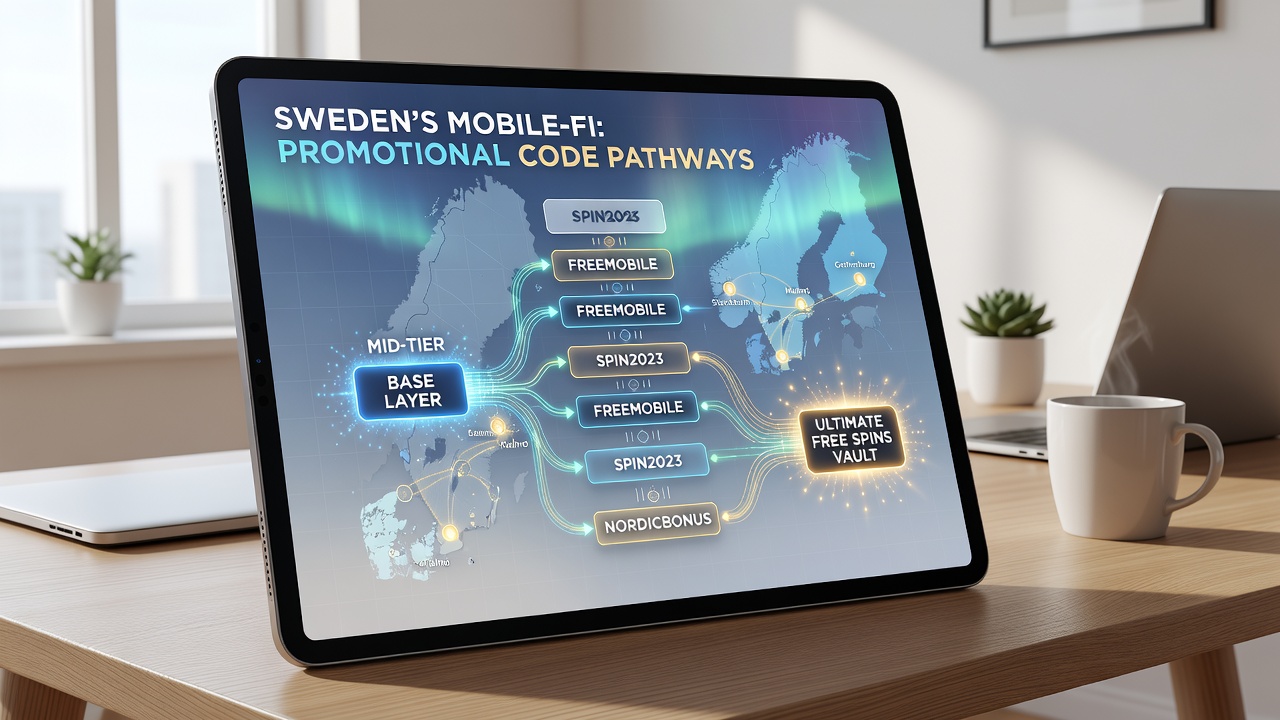
Those who track player behavior patterns report that mobile apps facilitate smoother transitions between layers because they retain session data locally until reconnection occurs, which minimizes interruptions during travel or network shifts. Evidence from compliance audits demonstrates that operators must publish exact terms for each sequence, including expiration dates and maximum win caps, directly on the code entry screen to satisfy transparency rules.
Regulatory Oversight and Platform Compliance
Sweden's licensing framework, enforced through Spelinspektionen, mandates that every promotional sequence undergoes pre-approval testing to confirm it does not encourage excessive play or target restricted demographics. Spelinspektionen guidelines specify that free spin pathways remain separate from deposit bonuses, which prevents overlapping credit calculations that could inflate effective wagering obligations. Figures released by the authority show steady growth in mobile registrations since the 2019 re-regulation, with code-activated spins accounting for a measurable share of engagement metrics on compliant sites. A separate analysis from the Canadian Centre on Substance Use and Addiction highlights parallel structures in other jurisdictions, where mobile optimization similarly correlates with higher sequence completion rates when interfaces prioritize one-handed navigation.
Examples of Sequence Implementation Across Operators
One documented implementation involves a three-step sequence where the first code activates upon mobile app download, the second requires a minimum deposit processed through approved Swedish payment rails, and the third unlocks after spins from prior layers contribute to a set volume of game rounds. Platforms that emphasize mobile-first development often embed these steps within progressive tutorials that guide users through each activation without leaving the primary interface. Data compiled by Nordic industry associations indicates that completion rates for full pathways average around 65 percent when codes are delivered via push notifications timed to coincide with peak evening usage periods. Researchers at academic institutions studying digital gambling have observed that such sequencing encourages sustained but controlled participation because each layer includes built-in pauses for balance reviews.
Conclusion
Promotional code sequences continue to shape access to layered free spin offerings on Sweden's mobile-first licensed platforms through standardized validation and progression mechanics that align with existing oversight. Mobile interfaces support efficient code entry and tracking, while regulatory updates scheduled for September 2026 introduce further verification layers to maintain compliance. Information from government sources and independent studies confirms that these systems operate within defined boundaries that prioritize transparency and player safeguards across all participating operators.