How Regulatory Updates Have Altered the Distribution of Initial Player Incentives in Swedish Digital Gambling Services
Klara Peters · Nov 1, 2026
How Regulatory Updates Have Altered the Distribution of Initial Player Incentives in Swedish Digital Gambling Services
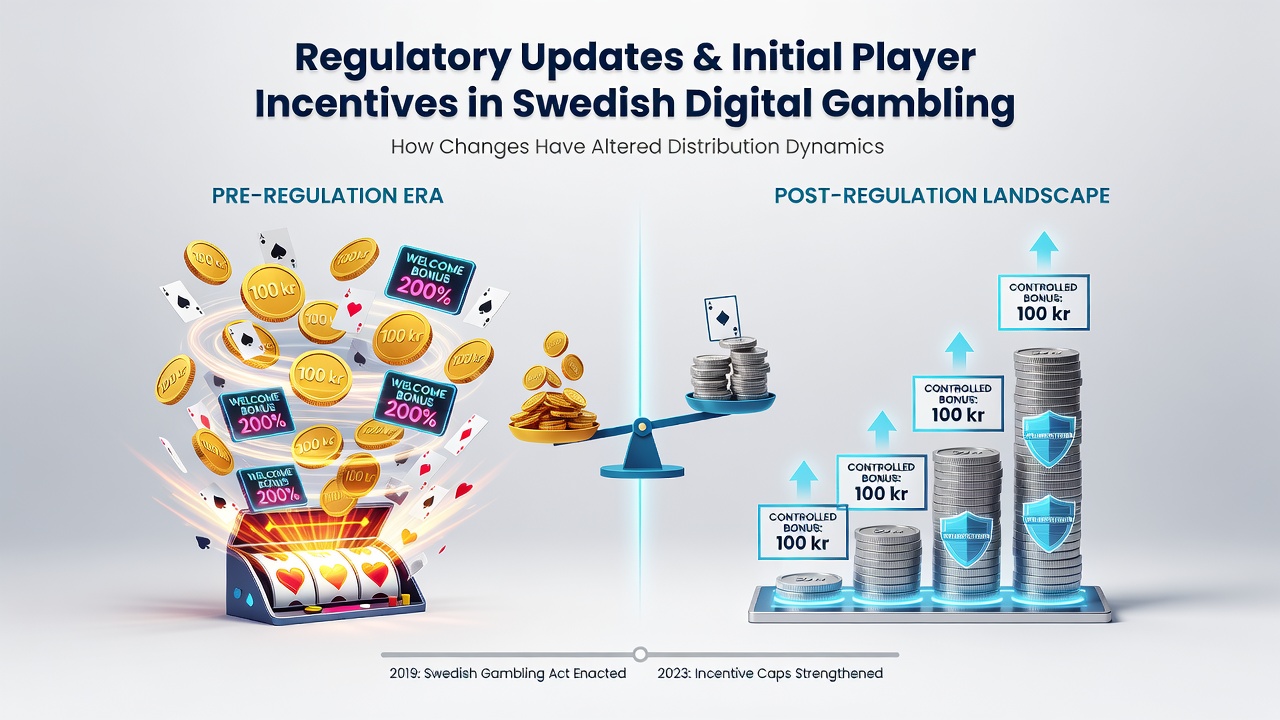
Sweden's gambling market underwent a major shift after the 2019 re-regulation introduced a licensing system through Spelinspektionen, and subsequent amendments have continued to reshape how operators structure initial player incentives such as welcome bonuses and sign-up offers. Those changes emphasize transparency, player protection measures, and controlled distribution methods that differ from pre-regulation practices where operators enjoyed more flexibility in bonus sizing and terms.
Key Regulatory Milestones and Their Reach
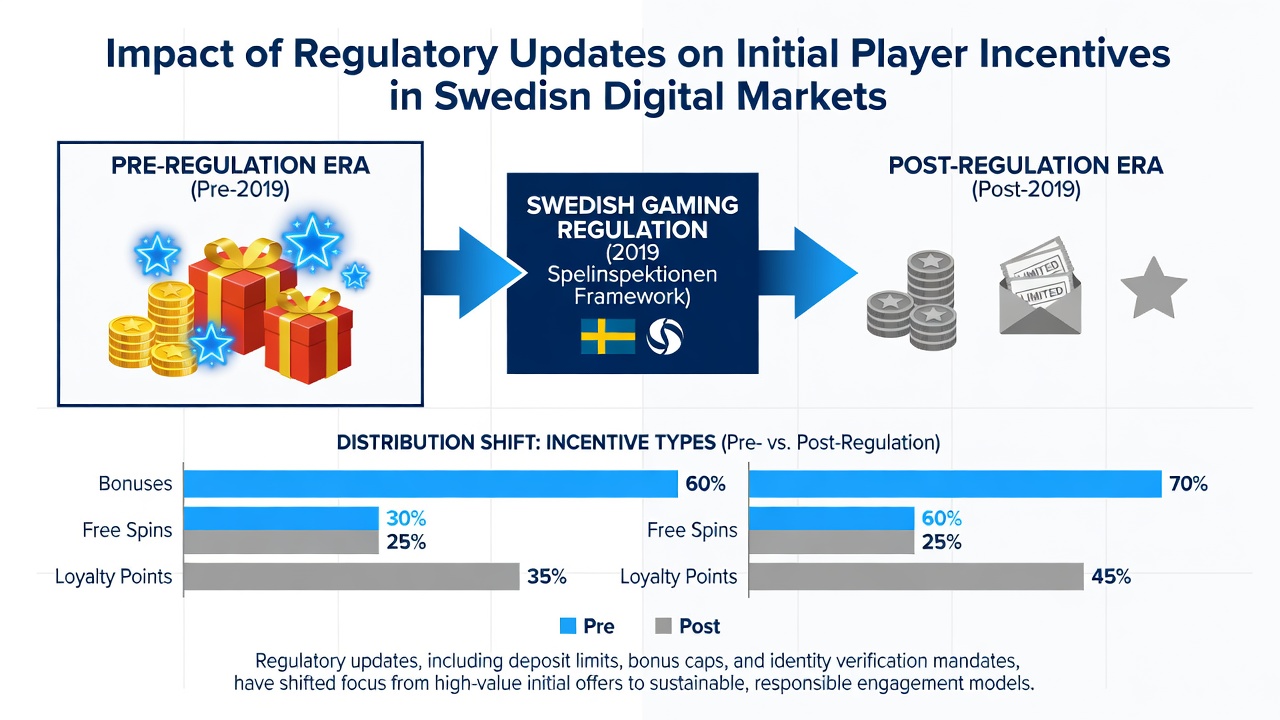
Amendments rolled out between 2020 and 2024 tightened rules around marketing and promotional content, requiring clear disclosure of wagering requirements and expiry dates before any player engages with an offer. Data from Spelinspektionen shows that licensed operators must now cap certain deposit-match incentives and limit the conversion of free spins into cash prizes, which directly influences the value and timing of initial rewards distributed to new accounts. Observers note that these adjustments emerged after multiple compliance reviews revealed inconsistencies in how bonuses were presented across mobile platforms.
By November 2026 further refinements are scheduled to take effect, focusing on real-time verification of player eligibility before incentives activate, and this step builds on existing frameworks that already require age and identity checks at registration. Researchers from academic institutions across Europe have tracked these patterns, and their reports indicate a measurable decline in oversized welcome packages that once dominated marketing campaigns.
Changes in Bonus Structures and Delivery Methods
Initial incentives now arrive through segmented channels that separate deposit bonuses from free spin allocations, and this separation stems from rules designed to prevent players from accessing multiple overlapping offers within short timeframes. Operators have responded by introducing tiered reward systems where the first deposit unlocks a base amount while subsequent verified actions release additional portions over days or weeks. Such pacing aligns with regulatory goals of reducing impulsive engagement while still providing measurable value to new users.
Impact on Mobile-First Platforms
Mobile accessibility has played a central role in how these incentives reach players because most Swedish digital services prioritize app-based registration and deposit flows. Updated guidelines require that promotional banners and push notifications carry identical terms to those displayed on desktop versions, eliminating discrepancies that once allowed operators to highlight larger headline figures in one channel while burying restrictions elsewhere. Industry reports compiled by trade associations document a shift toward in-app tutorials that explain bonus mechanics step by step before activation occurs.
Comparative Data Across Licensed Operators
Figures released by Spelinspektionen reveal that average welcome bonus values have stabilized within narrower bands since stricter caps took hold, and this convergence appears across both established domestic operators and newer entrants to the licensed market. External analysis from research bodies in Australia and Canada has drawn parallels, noting that Sweden's approach mirrors elements seen in other mature regulatory environments where initial incentives serve as controlled entry points rather than primary retention tools. Operators now allocate resources toward loyalty structures that activate after the initial period, which reduces the concentration of promotional spend at the sign-up stage.
Take one documented case where a major platform adjusted its deposit-match formula to comply with new transparency mandates, resulting in smaller headline percentages paired with extended validity windows that allow players more time to meet wagering thresholds. Similar adaptations appear throughout the sector because non-compliance carries license revocation risks that outweigh any short-term marketing gains.
Conclusion
Regulatory updates continue to steer the distribution of initial player incentives toward models that prioritize clarity, controlled pacing, and alignment with broader player protection objectives. Data collected through November 2026 will likely show further refinements as operators integrate upcoming verification protocols, and those changes build directly on the foundation established since the licensing regime began. Licensed services maintain compliance by adapting bonus delivery to fit within defined parameters while still offering tangible entry-level value to new participants.