Regulatory Influences on Promotional Structures Within Sweden's Online Gambling Sector
Klara Peters · Sep 20, 2026
Regulatory Influences on Promotional Structures Within Sweden's Online Gambling Sector
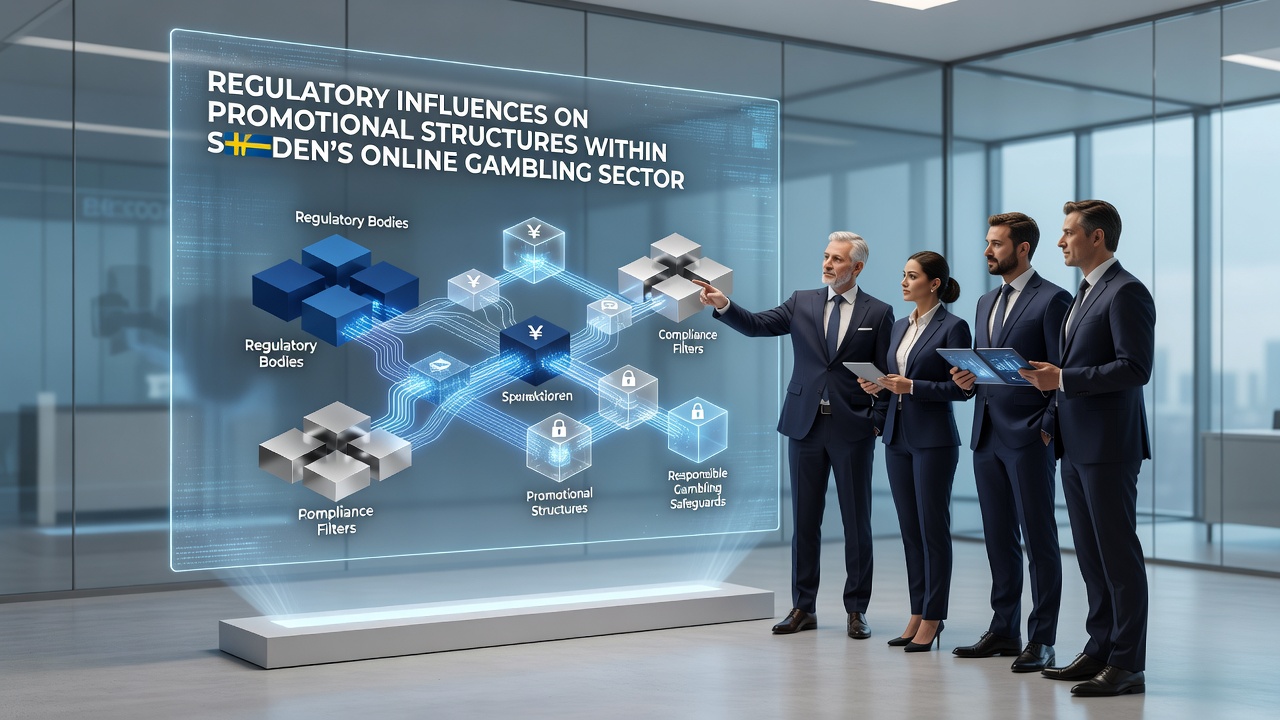
Sweden's online gambling market operates under the Gambling Act that took effect in 2019 and established the licensing framework administered by Spelinspektionen, which directly shapes how operators design and deliver promotional offers to players. The rules limit welcome bonuses to one per customer across all licensed platforms, require clear terms on wagering requirements, and prohibit certain marketing tactics that could encourage excessive play while allowing operators to structure loyalty rewards only within defined boundaries.
Core Licensing Requirements and Bonus Restrictions
Operators must hold a Swedish license to offer games to residents, and this obligation extends to how promotions are presented because every bonus counts as part of the licensed activity. Spelinspektionen enforces that promotional materials include responsible gambling messages, age verification prompts, and accurate information about deposit match percentages or free spin quantities. Data from the regulator shows that these requirements have reduced the number of multi-tier bonus sequences previously common before 2019, replacing them with simpler structures that still permit operators to compete yet remain compliant.
Marketing and Consumer Protection Measures
Advertising rules prohibit targeted promotions to individuals who have self-excluded through Spelpaus, and operators must maintain records showing that promotional communications respect those exclusions. Researchers at Stockholm University have examined compliance reports and found that licensed sites now segment player databases more carefully to avoid sending bonus offers to restricted accounts, which in turn influences how loyalty programs track activity and award points. The same studies indicate that operators have shifted emphasis toward time-limited campaigns tied to specific events rather than perpetual reload bonuses.
Impact on Loyalty and Retention Programs
Because ongoing bonuses for existing players face tighter scrutiny, many platforms have introduced tiered loyalty systems that award status based on play volume without promising direct cashback or free spins outside the licensed terms. These structures must still disclose how points convert to rewards and cannot guarantee outcomes that resemble gambling itself. Observers note that the regulatory environment has encouraged operators to integrate loyalty mechanics with non-monetary benefits such as exclusive game access or faster withdrawal processing, all while staying inside the boundaries set by the licensing authority.
European Commission guidelines on consumer protection in digital markets have also influenced Swedish practices, prompting operators to standardize disclosure formats across mobile and desktop interfaces. According to a 2025 report issued by the Swedish National Institute of Public Health, the average wagering requirement attached to welcome bonuses dropped from 35 times to 28 times between 2020 and 2025, reflecting both market competition and regulatory pressure for clearer player value.
Developments Anticipated for September 2026
Updated technical standards scheduled for implementation in September 2026 will require all promotional content to include real-time links to personal gambling limits and Spelpaus registration. Operators are already adjusting their systems so that any bonus advertisement automatically surfaces these tools, which will further standardize how promotions appear on regulated Nordic mobile platforms. Industry associations have begun publishing compliance checklists that highlight the need for automated checks before any new promotional campaign launches.
Cross-Border and Comparative Perspectives
Swedish authorities have referenced regulatory models from other jurisdictions when refining their own rules. A comparative study published by the Canadian Centre for Addiction and Mental Health examined bonus restrictions in multiple European markets and noted that Sweden's single-bonus policy aligns closely with approaches taken in several other licensing regimes. Those findings have informed ongoing discussions within the Swedish gaming trade association about potential refinements to loyalty tier structures ahead of the 2026 updates.
Enforcement Patterns and Operator Adaptations
Spelinspektionen publishes annual enforcement summaries that list fines issued for misleading promotional language or failure to honor self-exclusion during bonus campaigns. Operators respond by investing in compliance teams that review every campaign for wording accuracy and proper targeting. The result has been a gradual move toward promotions that emphasize gameplay features over large headline percentages, because those features are easier to substantiate under the current rules.
Conclusion
The regulatory framework established in 2019 continues to evolve through technical updates and enforcement practices that directly affect how promotions are built, communicated, and delivered within Sweden's licensed online gambling sector. By September 2026 the sector will see further standardization of consumer tools embedded in promotional content, ensuring that operators maintain compliance while still providing structured incentives that fit within the defined legal boundaries.